An Entryway That Works

Amina Hassan
| 25-11-2026
 · Lifestyle Team
Hello, readers! Shoes and keys are easier to find when they have a place near the door you use most.
Spend a day noticing what you carry in and what you look for on the way out. The right setup might be a single hook and a small tray, especially if the front door opens straight into another room. Start with the things you use most often and see how much space you have once the door swings open.
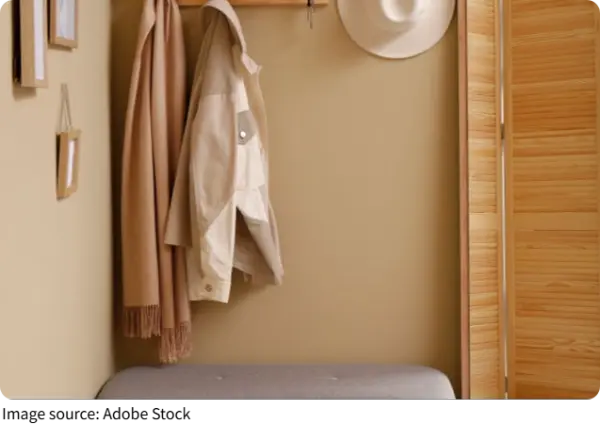
Follow Your Usual Route
Pick the door you use on an ordinary weekday, even if it’s the side entrance. Walk through it carrying what you usually bring home and notice what you put down first. If you leave your bag on the floor because you need both hands to take off your shoes, give the bag a reachable place before worrying about anything else. Test that change the next time you come home. If a cupboard is the place you prefer, check that its door can open while someone else uses the entrance.
Check the floor from both directions. You should be able to open the door fully and step through while carrying a shopping bag. Anything you have to move whenever the door opens belongs in a different spot. Try shifting a shoe rack to the side or returning a bulky bag to a nearby cupboard. Walk the route again with the things people leave there during a busy part of the day.
Put Essentials Within Reach
Set a small dish or tray near the place you stand when you come inside. Try it with keys and one other thing you take out most days. If the tray fills with loose change, receipts, and spare keys, give those items a home elsewhere. Use a spot that is out of sight from outside and close enough that you reach it without walking back through the house.
Use a hook or cupboard for what you wear or carry regularly. Give each person a place they can reach when everyone leaves at the same time. If someone needs to sit to put on shoes, keep the seat close and leave room to stand up again. The space for sitting and moving will tell you how many bags or jackets can realistically stay by the door.
Leave a Place for Shoes
Keep the pairs you’re actively wearing near the entrance. Put them beside each other and see what actually fits without taking up space in the walkway. If your everyday shoes end up beside the rack, check whether the shelf is deep enough or easy to reach. You may get more use from one clear shelf at a convenient height than from several crowded shelves that are difficult to get to.
Decide where wet shoes will go before you come home in the rain. A tray against the wall can hold them until they’re ready to put away, provided it stays out of the path. Leave enough room for the next person’s pair on days when several people come in close together. If the space is too tight, use the entrance for taking shoes off and set the drying tray somewhere nearby.
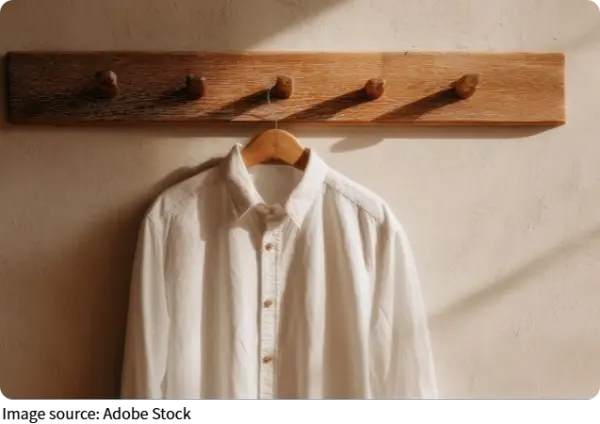
Set Aside Outgoing Items
Pick one small spot for things you plan to take out soon. A borrowed book that needs returning can sit beside the bag you’ll carry, or a spare shopping tote can go on the hook by your coat. Keep items there for a specific outing. If an errand gets postponed, put the item back where it belongs and add a reminder to the day you expect to go.
After several days, notice what still gets left on the floor or carried into another room. A coat that lands on a chair every evening may need a closer hook, while papers that collect beside the keys may need a different place entirely. Adjust the part you keep missing. When a surface is working well, leave some room there for the occasional bag you need to set down.
Give one everyday item a place on your next trip through the door. If you reach for it without searching when you leave again, you’ve found a spot worth keeping.