Support Their Music Journey

Pankaj Singh
| 18-08-2026
 · Lifestyle Team
Hi Lykkers! Learning music can become much more than mastering notes, chords, rhythms, or songs. For a child, it can be a long process of experimenting, getting things wrong, trying again, and eventually hearing a piece sound better than it did a few weeks earlier.
Parents have an important place in that process, but support does not mean standing over every practice session or expecting constant progress. A thoughtful approach can help music remain something a child wants to return to, even when learning becomes difficult.
1. Start With the Child’s Musical Interests
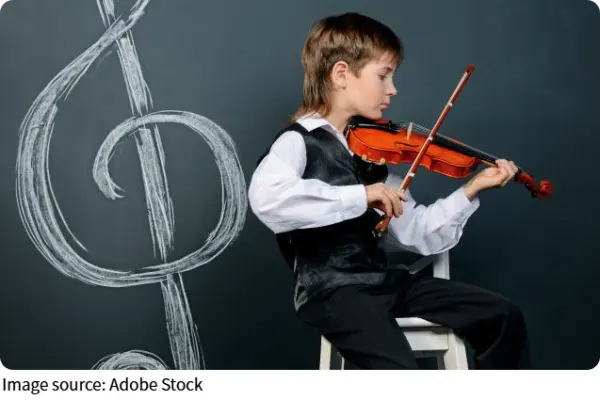
The right instrument is not necessarily the one a parent prefers. A child who constantly taps rhythms on tables may respond strongly to drums, while another who sings along with every melody might enjoy piano, guitar, or another melodic instrument. Before committing to years of lessons, pay attention to what naturally catches the child’s attention. Let them hear different instruments, watch performances, or try beginner sessions when possible. Even a short introduction can reveal whether the sound and physical experience of an instrument feel appealing.
Practical factors matter as well. An instrument should be manageable for the child’s age and physical development, and lessons should fit realistically into the family schedule. Interest can change, too. A child who starts with piano may later become fascinated by guitar, songwriting, percussion, or singing. Changing direction is not automatically a sign of failure. Musical curiosity can take several forms as children grow.
2. Turn Practice Into a Routine, Not a Daily Battle
Practice is necessary for developing musical skill, but the way practice is introduced can make a huge difference. Instead of repeatedly asking, “Did you practice today?” create a predictable part of the day for music. The routine could happen after homework, before dinner, or at another time when the child is usually alert. Keep the instrument accessible and make sure the practice space has enough quiet for concentration.
A practice session also does not need to mean playing an entire piece from beginning to end. A child working on a difficult piano passage might spend several minutes concentrating on four measures. A young guitarist may isolate a troublesome chord change rather than repeatedly restarting the entire song. Short, focused work can be more useful than simply sitting with an instrument for a long period without a clear purpose.
3. Give Specific Encouragement When Progress Is Small
Musical improvement is often difficult to notice from one day to the next. A child may practice the same passage repeatedly without producing an obvious breakthrough. Then, suddenly, the rhythm becomes steadier or a difficult transition sounds cleaner. That is why specific encouragement works better than generic praise.
Instead of only saying, “Good job,” mention something concrete: “That rhythm stayed steady this time,” or “You played that section without stopping.” Such comments show that progress comes from effort, attention, and persistence. Mistakes should also have room to exist. Missing a note during practice is not the same as failing. Beginners need opportunities to experiment without feeling that every mistake will be judged.
Parents should also avoid comparing siblings, classmates, or friends. One child may learn quickly at first and struggle later; another may progress slowly before making a noticeable leap. Musical development rarely follows an identical timetable. The objective is not to create a child who is afraid of making mistakes. It is to help create a learner who feels comfortable working through them.
4. Become Part of the Audience
Parents do not need advanced musical knowledge to take an active interest. Listening may be one of the simplest ways to show that a child's efforts matter. Ask to hear a new song. Attend a recital when possible. Let the child play a favorite section at home. If they want to explain how a particular piece works, give them the attention to do so. Even casual conversations can make music more meaningful. Ask which part of a song they like, whether they prefer the fast or slow section, or what kind of music they would like to learn next.
5. Give More Responsibility as Skills Grow
A parent may need to handle almost everything at the beginning: finding a teacher, remembering lesson times, purchasing materials, and helping establish practice habits. That level of involvement should not necessarily remain unchanged. As the child becomes more capable, hand over small responsibilities. They can pack their music folder, mark pieces that need attention, prepare questions for the teacher, choose between two songs, or keep track of upcoming performances.
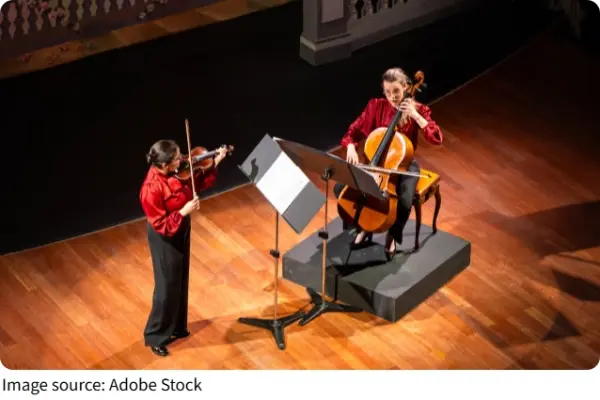
A successful musical journey does not have to end with competitions, certificates, or professional performance. For one child, music may eventually become a serious passion. For another, it may remain a creative hobby enjoyed for years. What matters is giving the child enough structure to develop skills while leaving enough freedom for genuine interest to survive.