Cold Season Chic

Declan Kennedy
| 24-07-2026
 · Fashion Team
Autumn and winter fashion can feel practical, stylish, and surprisingly fun when you know how to layer well.
For Lykkers, this guide turns the cold season series into a realistic style toolkit: warmer outfits, smarter textures, easier color choices, and simple tricks that make daily dressing feel polished without becoming complicated.

Layer With Intention
Autumn and winter style begins with layers, but not random piles of clothing. You want warmth, shape, movement, and personality to work together. When each layer has a clear role, your outfit feels cozy instead of bulky.
Start with a smooth base
The first layer decides how comfortable the whole outfit feels. Choose soft tops that sit close to the skin without squeezing. Thin knit tops, fitted cotton shirts, thermal tops, and long-sleeve tees work well under sweaters, coats, and jackets.
A smooth base also keeps the outer look cleaner. If the bottom layer bunches up, the sweater may look uneven. If the fabric feels scratchy, the whole outfit becomes annoying by lunchtime.
Try building a small cold-season base collection: one white top, one black top, one warm neutral top, and one soft color you love. These pieces become quiet helpers under almost everything.
Mix textures, not chaos
Autumn and winter outfits become interesting through texture. Wool-like knits, denim, suede, corduroy, leather-like finishes, fleece, satin, and quilted fabrics all create visual depth.
The trick is to combine two or three textures, not seven. A chunky sweater with straight denim and a clean coat looks balanced. A silky skirt with a knit cardigan feels soft and stylish. A quilted jacket with a plain scarf keeps things practical.
Texture makes simple colors feel richer. Even an all-neutral outfit can look thoughtful when the surfaces differ.
Use the three-layer formula
A reliable cold-weather outfit often has three parts: base, middle, and outer layer. The base keeps you comfortable. The middle brings warmth and style. The outer layer protects you from wind, rain, or low temperatures.
For example, you could wear a fitted top, a soft sweater, and a long coat. Or a turtleneck, denim jacket, and padded outerwear. Or a dress, knit vest, and tailored coat.
This formula helps when you feel stuck. Instead of asking what should be worn today, ask what each layer needs to do. Warmth? Shape? Color? Weather protection? The outfit becomes easier.
Keep shape visible
Cold-season clothing can sometimes swallow your shape. To avoid that, balance volume. If the coat is oversized, choose slimmer pants or a cleaner skirt. If the sweater is large, tuck the front slightly or add a belt over a cardigan.
You can also create shape through hemlines. Let a longer shirt peek under a cropped sweater. Pair a midi skirt with tall boots. Choose a coat length that works with your main outfits.
The goal is not tight clothing. The goal is visible structure. Cozy can still look neat.
Style The Season
Once the layers are working, autumn and winter become more creative. You can play with color, accessories, footwear, and small routines that make dressing easier during colder days.
Choose a seasonal color story
Cold-season colors do not have to be dull. Neutrals such as cream, gray, camel, black, navy, and brown are useful, but you can brighten them with rust, forest green, burgundy, icy blue, soft pink, or mustard.
Pick three main colors for your autumn and winter series. One neutral, one deep shade, and one accent color. This makes shopping and outfit planning much easier.
For example, camel, dark green, and cream create a calm natural look. Black, gray, and red feel sharper. Navy, denim blue, and silver feel clean and modern.
A color story makes different pieces work together, which means fewer morning struggles.
Make accessories work harder
Scarves, hats, gloves, belts, bags, and socks are not only decorative. They can change the outfit’s mood while adding real function.
A thick scarf can soften a structured coat. A belt can shape a loose cardigan. Tall socks can make boots more comfortable. A bright hat can wake up a dark outfit. A clean shoulder bag can make a casual look feel more finished.
Keep one small accessory basket near your door. Put your most-used cold-season items there, so leaving the house does not turn into a treasure hunt.
Build outfits around footwear
In colder months, shoes often decide the outfit. Boots, loafers, sneakers, and weather-friendly shoes each create a different mood.
Ankle boots work well with jeans, dresses, and skirts. Tall boots add polish and warmth. Sneakers keep long walking days easier. Loafers give a neat city look, especially with socks and cropped trousers.
Before choosing clothes, check the day’s walking plan and weather. Wet pavement, long errands, or icy air require practical footwear. A great outfit loses its charm fast when your feet are unhappy.
Refresh one old piece
You do not need a completely new wardrobe each season. Choose one older piece and style it differently.
Wear a summer dress with a turtleneck underneath and boots. Layer a shirt under a sweater. Add a belt to an old coat. Pair a familiar skirt with thicker tights and a chunky knit. Wrap a scarf in a new way.
This keeps style flexible and budget-friendly. It also teaches you to see clothing as a set of possibilities, not fixed outfits.
Plan a weekly outfit rail
Cold mornings can make decisions feel harder. Pick five outfit combinations at the start of the week and hang them together if possible. Include tops, bottoms, layers, and accessories.
You do not need to follow the plan perfectly. It simply gives you ready options. If the weather changes, swap one layer. If your mood changes, choose a different color.
This habit saves time and reduces the classic cold-season problem: standing in front of clothes while somehow feeling you own nothing.
Care keeps style alive
Autumn and winter pieces often need more care. Sweaters can pill, coats collect lint, boots get dusty, and scarves hold fragrance from daily life.
Keep a lint roller, fabric comb, shoe brush, and hanger space ready. Air out coats after wearing. Fold heavy knits instead of hanging them, so they keep their shape. Clean shoes before storing them.
Good care makes affordable pieces look better and keeps favorite items useful longer. Style is not only buying. It is maintaining.
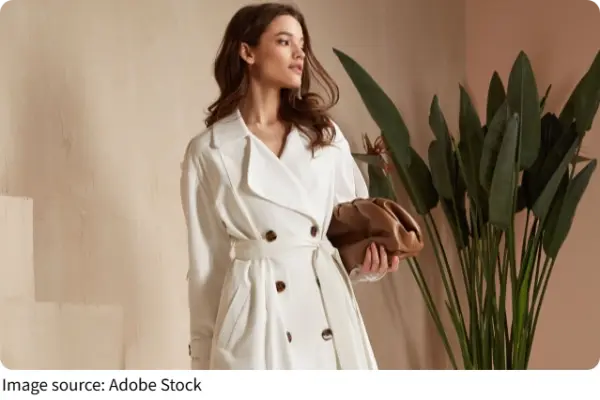
Autumn and winter fashion gives Lykkers a chance to dress with warmth, texture, color, and personality. Start with smooth bases, layer with purpose, choose practical footwear, refresh old pieces, and care for what you own. Cold-season style feels best when it is cozy, flexible, and ready for real life.