Low Furniture, Taller Rooms

Lucas Schneider
| 25-06-2026
 · Lifestyle Team
Hey, Friends! Have you ever stepped into a room that felt surprisingly spacious, only to realize later that the ceiling wasn't particularly high? Friends, the secret may not be in the architecture at all.
Often, the illusion of height comes from a design choice that many people overlook: low furniture.
By keeping sofas, chairs, and tables closer to the floor, more open space remains above them, making the room feel taller and more airy.
Interior designers have used this technique for decades to make compact apartments, small living rooms, and even basements feel more open. By lowering the visual weight of furnishings, the eye naturally travels farther upward, creating a stronger sense of vertical space. The room itself remains unchanged, but the perception of its proportions shifts dramatically.
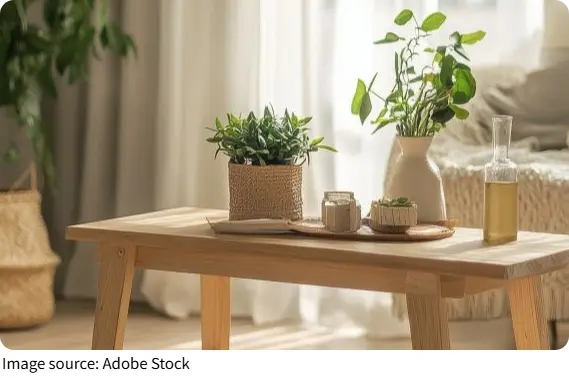
Why the Eye Perceives More Height
Human vision constantly searches for visual boundaries. When entering a room, the eye instinctively notices large objects such as sofas, cabinets, and tables before examining architectural details. Tall furniture creates an early stopping point. A high-backed sofa or oversized entertainment unit interrupts the view of the wall, making the distance between furniture and ceiling appear shorter. As a result, the room can feel compressed.
Low-profile furnishings produce the opposite effect. Because they occupy less vertical space, more wall surface remains visible. This uninterrupted stretch encourages the eye to continue upward, making ceilings appear higher than they actually are. Design professionals often refer to this as manipulating the visual horizon. Lowering the dominant furniture line effectively expands the perceived dimensions of the room without moving a single wall.
The Power of Negative Space
One of the most important concepts behind this illusion is negative space. In interior design, negative space refers to the empty areas surrounding furniture and decorative objects. When a sofa sits close to the floor, a larger portion of the wall remains unobstructed. This open area acts as visual breathing room, reducing the feeling of crowding.
Instead of focusing on bulky furnishings, attention shifts toward the architecture of the room. This principle is frequently used in contemporary homes, Japanese-inspired interiors, and modern minimalist spaces. These styles intentionally leave portions of walls exposed to create a sense of calm and openness. The result is not merely a taller-looking room but also a more balanced and visually comfortable environment.
Choosing Furniture That Enhances Vertical Space
Not all low furniture creates the same effect. The most successful pieces combine reduced height with clean lines and simple silhouettes. Sofas with low backs are particularly effective because they avoid blocking large portions of the wall. Platform-style seating, streamlined coffee tables, and low media consoles can further strengthen the impression of height.
Long horizontal pieces often work better than bulky vertical ones. For example, a wide bookshelf that stays below window level generally feels less intrusive than a tall storage unit extending toward the ceiling. Furniture with exposed legs can also help. The visible floor area beneath chairs, sofas, and tables creates additional openness, making the room feel lighter and less crowded.
Why Rooms Feel More Spacious When Seated
The effect of low furniture is not limited to standing views. It also changes how a space feels when occupied. When seated on a lower sofa or lounge chair, eye level naturally drops. This increases the amount of visible space between the viewer and the ceiling. Even though the room dimensions remain identical, occupants experience greater headroom.
Architects often use similar principles when designing public spaces. Lower sightlines can make interiors feel more expansive because a larger portion of the surrounding structure remains visible. This subtle psychological effect contributes to feelings of comfort and relaxation. Rooms that appear open tend to feel less restrictive, making them more inviting for daily living.
Supporting Design Elements That Strengthen the Illusion
Low furniture works best when paired with other design strategies that emphasize vertical movement. Floor-to-ceiling curtains are among the most effective additions. Their continuous vertical lines guide the eye upward, reinforcing the perception of height. Hanging curtain rods close to the ceiling rather than directly above windows can amplify this effect.
Wall colors also play an important role. Light shades reflect more natural light, helping walls appear more expansive. Soft whites, warm neutrals, and pale grays are frequently used because they create visual continuity without overwhelming the room. Strategic lighting can further enhance openness.
Wall sconces, uplighting, and carefully positioned lamps draw attention toward higher areas of the room while maintaining a balanced atmosphere. Mirrors can be equally valuable. When placed thoughtfully, they reflect both light and architectural features, extending sightlines and making compact spaces feel significantly larger.
Common Mistakes That Reduce Perceived Height
Certain decorating choices can undermine the benefits of low furniture. Oversized shelving that spans an entire wall often creates a heavy visual presence. Similarly, thick crown molding and large decorative elements positioned near the ceiling can make a room feel shorter.
Excessive clutter also weakens the effect. When walls are crowded with artwork, shelves, and accessories, the eye struggles to find a clear path upward. Maintaining a degree of visual simplicity helps preserve the feeling of spaciousness. Balance is essential. The goal is not to remove personality from a room but to allow architectural features and proportions to remain visible.
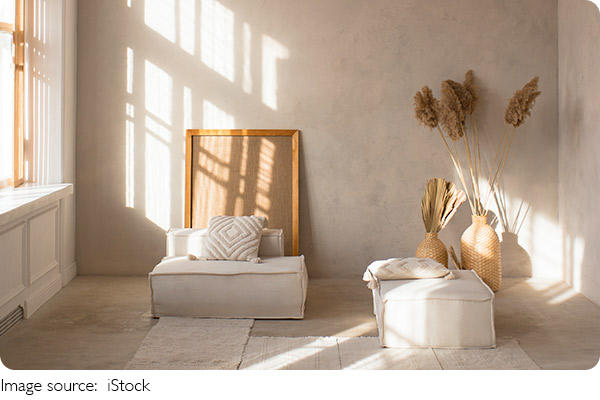
Low furniture offers one of the simplest ways to make a room feel taller without renovation or structural changes. By lowering the visual horizon, increasing visible wall space, and encouraging upward eye movement, it creates a convincing impression of greater height and openness.