Layered Lighting Guide

Raghu Yadav
| 23-06-2026
 · Lifestyle Team
Lighting is one of the most important elements of interior design. Beyond providing visibility, a well-planned lighting scheme enhances comfort, improves functionality, and adds depth and balance to a space.
Rather than relying on a single ceiling fixture, combining multiple layers of light creates an environment that is both practical and visually inviting, while allowing each room to adapt to different activities throughout the day.
Understanding the Three Layers of Lighting
Stand in a room illuminated by only a single overhead light and observe how it feels. The lighting is evenly distributed, but the space often appears flat, with little visual depth or emphasis. By contrast, rooms illuminated from multiple light sources at different heights feel warmer, more balanced, and more welcoming. This effect is achieved through layered lighting.
Layered lighting combines three essential types of illumination: ambient, task, and accent lighting. Each serves a distinct purpose, and together they create a comfortable, functional, and visually appealing environment.
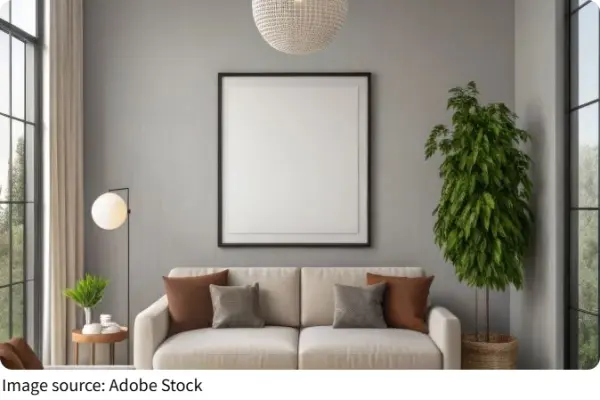
Ambient Lighting: Building the Foundation
Ambient lighting provides the overall illumination that allows a room to function safely and comfortably. Ceiling fixtures, recessed downlights, and pendant lights are commonly used to establish this foundational layer.
Whenever possible, choose dimmable fixtures. A dimmer allows the lighting level to be adjusted to suit different times of day and activities, making it easy to transition from bright illumination for everyday tasks to a softer, more relaxing atmosphere during the evening. This flexibility improves both comfort and the overall experience of the space.
Task Lighting: Illuminating Everyday Activities
Task lighting delivers focused illumination exactly where it is needed for specific activities such as reading, cooking, writing, or working.
In the kitchen, under-cabinet LED lighting provides even illumination across countertops while helping reduce shadows during food preparation. At a desk or reading chair, an adjustable desk lamp or floor lamp directs light precisely where it is needed for visual comfort. Beside the bed, a wall-mounted reading light with an adjustable arm provides focused illumination while helping keep the bedside surface uncluttered.
Well-positioned task lighting improves visibility, enhances comfort, and supports everyday activities with greater efficiency.
Accent Lighting: Adding Depth and Character
Accent lighting is the finishing layer that adds dimension and visual interest to a room. It highlights artwork, architectural details, decorative objects, plants, or shelving, creating contrast that enhances the overall design.
Examples include a narrow-beam spotlight directed at artwork, an LED light installed beneath shelving, or a decorative table lamp placed near an architectural feature. Accent lighting is most effective when it is noticeably brighter than the surrounding ambient light within its focal area, naturally drawing attention to key features while creating a greater sense of depth.
Decorative table lamps and floor lamps can also serve as accent lighting, especially when the fixtures themselves contribute to the room's overall design.
A Practical Approach to Using Lamps
Lamps are among the most versatile elements in a layered lighting plan. Depending on their placement, height, and lampshade design, a floor lamp can function as ambient, task, or accent lighting.
Because lamps can be moved easily, they allow homeowners to experiment with different lighting arrangements before making permanent changes. If a room feels visually unbalanced even after the furniture has been arranged, repositioning a single lamp can often improve the atmosphere and overall appearance.
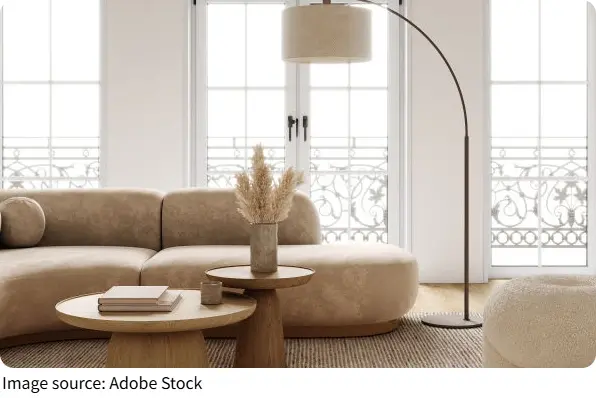
A well-designed lighting plan does more than illuminate a room—it enhances comfort, supports everyday activities, and creates a welcoming atmosphere. By combining ambient, task, and accent lighting, each space gains greater flexibility, visual depth, and balance. Rather than relying on a single overhead fixture, a layered lighting approach transforms a room into one that is both functional and inviting, making it more enjoyable throughout the day and into the evening.