AI Learning Robot

Amit Sharma
| 21-04-2026
 · Science Team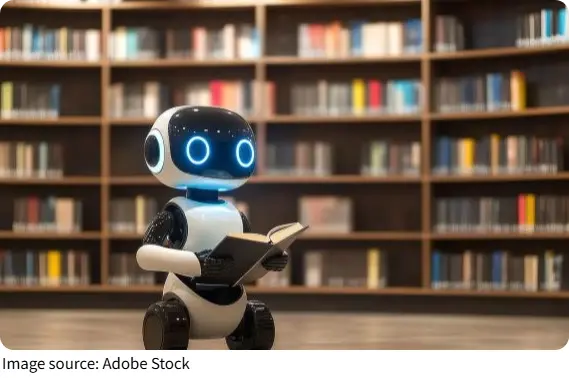
Imagine having a learning companion that never gets tired, adapts to our needs, and even understands how we feel while studying. Across many countries today, smart learning AI systems are becoming part of classrooms and homes.
They are not just tools for study, but also supportive companions that help us grow in knowledge and confidence. Let’s explore how this technology is changing the learning experience in a simple and meaningful way.
Personalized Homework Help That Adapts to Us
When we study at home, we often face problems that are hard to solve alone. Sometimes parents or guardians are busy, and sometimes the topic itself is just difficult. Smart learning AI can help us bridge this gap.
These systems analyze how we learn and adjust explanations based on our level. If we struggle with a topic, the AI can explain it in different ways until we understand. For example, in mathematics, it may show step-by-step visual explanations, break down complex problems into smaller parts, or offer short practice exercises to reinforce learning.
Instead of giving one fixed explanation, it adjusts to our learning style. This makes studying more flexible and easier to follow.
In language learning, it supports reading, vocabulary building, and writing practice. It can read texts aloud clearly, help us understand sentence meaning, and explain new words in a simple way. When we write, it can give feedback on structure, grammar, and clarity, helping us improve step by step without pressure.
For English speaking practice, we can talk with the AI in simple conversations. It responds naturally and adjusts difficulty based on our ability, helping us become more confident over time.
Learning That Feels More Interactive and Engaging
Traditional study methods can sometimes feel repetitive. Smart learning AI brings more interaction into the process. Instead of only reading and memorizing, we can learn through activities, short quizzes, and interactive challenges.
For example, history lessons can turn into storytelling experiences. Science topics can include visual simulations that show how things work in real life. This makes learning more engaging and easier to remember.
We are not just passive learners anymore. We become active participants in the learning process. This shift helps us stay focused and curious for longer periods.
Emotional Support That Makes Learning Feel Less Lonely
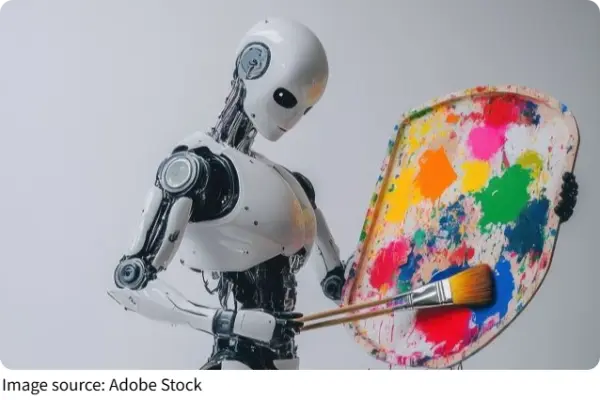
Learning is not only about knowledge. Our emotions also play a big role. Sometimes we feel stressed, tired, or unmotivated while studying alone. Smart learning AI systems are designed to recognize these emotional changes.
They can detect tone of voice, response patterns, and interaction behavior to understand how we are feeling. When we feel happy, the system responds positively and celebrates our progress. When we feel frustrated or discouraged, it responds gently and encourages us to keep going.
This type of support creates a more comfortable learning environment. We feel less pressure and more understood, even when we are studying independently.
For students who are naturally quiet or shy, this can be especially helpful. It provides a safe space to express thoughts without fear of judgment. Over time, this can help build confidence and improve communication skills.
Real-World Use in Schools and Homes Around the World
In many countries, schools and families are already using smart learning AI systems. In classrooms, these tools assist teachers by answering student questions and offering additional explanations during lessons. This allows teachers to focus more on guiding and supporting students individually.
In homes, families report that children become more interested in learning when they use AI support. Study sessions become more structured and interactive. Instead of avoiding homework, students often start engaging with it more willingly.
Some learners also show improvement in self-discipline. Because the system adapts to their pace, they feel less overwhelmed and more in control of their progress.
A Future Where Learning Becomes More Personal and Equal
Looking ahead, smart learning AI will likely become even more advanced. It may understand learning habits more deeply and provide highly personalized study paths for each individual. This means no two learning experiences will be exactly the same.
We may also see better emotional understanding, where AI systems respond more naturally and supportively based on human feelings. Learning could become more connected to daily life, not just limited to textbooks or classrooms.
Another important benefit is accessibility. In regions where learning resources are limited, AI systems can help provide equal learning opportunities. This helps reduce gaps in education and gives more learners access to quality support.
Let’s Move Forward Together
Lykkers, smart learning AI is not just about technology. It is about creating a better learning experience for all of us. It helps us understand difficult topics, supports our emotions, and makes learning more interactive and enjoyable.
As this technology continues to grow, we may see even more meaningful changes in how we study and connect with knowledge. The future of learning is becoming more personal, supportive, and inclusive.
What do we think about learning with an AI companion by our side every day?