Forests as Climate Guardians

Pankaj Singh
| 09-03-2026
 · Plant Team
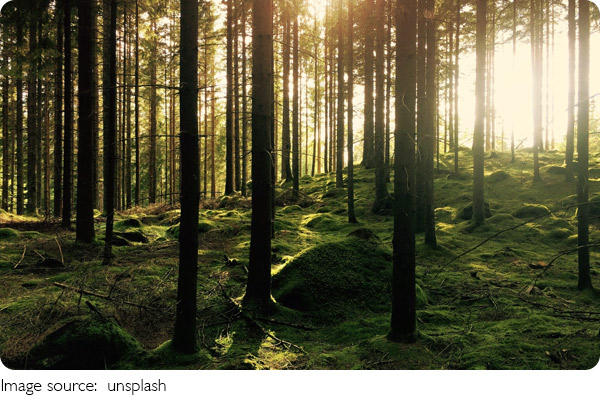
Walking through a sun-dappled forest, it's easy to forget that these green expanses are more than peaceful retreats—they are active climate regulators.
From cooling the air with shade to capturing carbon dioxide, forests play an essential role in keeping the planet balanced.
Their importance extends far beyond the beauty of towering trees and rustling leaves.
Forests as Carbon Sinks
1. Capturing Carbon
Trees absorb carbon dioxide during photosynthesis, storing it in trunks, roots, and soil. This natural process helps offset emissions from vehicles, factories, and other human activities. Tropical rainforests like the Amazon hold billions of tons of carbon, acting as a vital buffer against climate change.
2. Soil Storage
Beyond the trees themselves, forest soils store significant amounts of carbon. Leaf litter and fallen branches decompose slowly, sequestering carbon for decades. Healthy forest management ensures this carbon remains trapped rather than released back into the atmosphere.
3. Preventing Emissions from Deforestation
When forests are cut or burned, stored carbon is released, contributing to greenhouse gases. Conserving existing forests is therefore just as crucial as planting new ones, highlighting the need for sustainable forestry practices.
Influence on Local and Global Climate
1. Cooling Effects
Forests moderate temperatures by shading the ground and releasing water vapor through transpiration. This natural cooling can reduce the heat island effect in nearby urban areas and stabilize local weather patterns.
2. Rainfall Regulation
Forests influence rainfall through evapotranspiration. Moisture released by trees forms clouds and contributes to precipitation, which in turn supports agriculture and ecosystems far from the forest itself.
3. Wind and Storm Moderation
Dense woodlands act as natural windbreaks, reducing storm intensity. Coastal mangroves and riverine forests protect communities from flooding, illustrating how forests safeguard both climate and human livelihoods.
Forests and Human Action
1. Reforestation Projects
Planting trees on degraded land restores carbon capture capacity and biodiversity. Nations and organizations worldwide are investing in reforestation to meet climate goals and provide green corridors for wildlife.
2. Sustainable Forest Management
Careful logging, selective harvesting, and community-led conservation ensure that forests continue to provide climate benefits without being depleted. Certified timber and ecosystem-based management support long-term sustainability.
3. Citizen Engagement
Individuals can contribute by supporting local tree-planting initiatives, reducing paper consumption, and advocating for forest protection policies. Every small action contributes to maintaining the climate-regulating functions of forests.
Forests are living air conditioners, carbon vaults, and water cycle stabilizers rolled into one. Their preservation is not just about protecting scenery; it's about maintaining the planet's climate balance. Next time you walk among trees, remember that each canopy leaf and root system is quietly working to keep our world habitable. Supporting forest conservation—through informed choices, advocacy, and sustainable practices—allows us to safeguard these natural climate guardians for generations to come.